Ceramic window tint blocks heat, glare, and 99% of UV rays through invisible ceramic nanoparticles, unlike dye or metal films. Top benefits ceramic tint Alsip contains no metal or carbon, ensuring clearer visibility and no signal disruption. MC Window Tinting installs Autobahn ceramic films with lifetime warranty protection against bubbling, peeling, and discoloration.
Key Takeaways
- Ceramic window tint blocks 99% of UV rays through invisible ceramic nanoparticles embedded in the film.
- Ceramic construction contains no dyes, metal, or carbon, ensuring clearer visibility and no signal disruption.
- Ceramic films reject heat without relying on dyes that degrade, maintaining stable appearance and consistent heat rejection year after year.
- Ceramic window tint outlasts standard dyed films through superior material engineering and professional installation standards.
What makes ceramic tint different from regular film?
Ceramic window tint uses ceramic-based nanoparticles that are invisible to the naked eye. Regular dyed films rely on color layers that fade, bubble, and peel over time. The material difference drives every performance gap between the two options.
Standard dyed film embeds pigment into an adhesive layer. Sun exposure breaks down that pigment, causing discoloration and bubbling within a few years. Ceramic construction contains no metal or carbon. The ceramic particles resist degradation from ultraviolet exposure and heat cycling.
MC Window Tinting offers two types of ceramic tint, giving customers a choice in performance level and budget. Autobahn Performance Window Films carry a limited lifetime warranty against discoloration, cracking, blistering, bubbling, peeling, and delamination when installed by an authorized dealer. That warranty coverage reflects the structural difference between ceramic and dyed construction.
Why do regular tints fail faster than ceramic films?
Dyed films absorb solar energy into the color layer itself. That absorbed heat accelerates fading and adhesive breakdown. Ceramic films reject heat without relying on dyes that degrade.
What are the ceramic tint advantages alsip drivers notice first?
Drivers notice stable appearance and consistent heat rejection year after year. The top benefits ceramic tint alsip customers seek include long-term clarity without purple fading or bubbling. Understanding why ceramic tint alsip installations outperform dyed alternatives starts with the nanoparticle construction. A premium ceramic window tint guide explains heat rejection and UV protection in greater detail.
How does ceramic tint block heat and UV rays?
Ceramic window tint blocks heat and UV rays through a dense layer of microscopic ceramic nanoparticles embedded in the film. These non-conductive particles reject infrared solar energy while allowing visible light to pass through, creating a cooler interior without darkening the glass excessively. Drivers who skip this protection lose interior comfort and expose vehicle surfaces to relentless solar damage every time they park outdoors.
What makes ceramic tint different from dyed film for heat rejection?
Dyed films absorb some solar energy but lack the infrared-blocking structure of ceramic layers. The unique properties of ceramic tint maintain a cooler vehicle interior on hot days, significantly reducing air conditioning usage and helping save on fuel and maintenance costs, according to MotoShieldPro’s analysis of nano ceramic window tinting. MC Window Tinting installs Autobahn performance films that deliver this ceramic tint advantage through advanced deep-dye technology paired with ceramic particle construction.
How much UV protection does ceramic window tint provide?
Autobahn performance films used by MC Window Tinting deliver 99% UV protection to shield occupants and interiors. Untinted windows filter out a few UVA and UVB rays naturally, but they still allow substantial amounts of the sun’s harmful rays through the glass, as Masters Car Stereo notes in its comparison of tint types. Over months and years, that unfiltered exposure fades upholstery, cracks dashboards, and increases cumulative skin damage risk for anyone behind the wheel.
The top benefits of ceramic tint in the Alsip area extend beyond temperature control. Clients gain a protective barrier that preserves interior materials and reduces glare without interfering with cell signals or GPS reception. For those weighing film options, the company’s guide on ceramic versus carbon tint breaks down how each material handles heat rejection and long-term durability. Why ceramic tint matters in Chicagoland summers becomes obvious the first time a driver returns to a parked car and finds the cabin noticeably cooler than expected.
Does ceramic tint interfere with phone or GPS signals?
Ceramic window tint does not block cellular, GPS, or radio signals. The film contains zero metal particles, eliminating the interference common with older metallic tints. Drivers and property owners in Alsip gain full connectivity alongside superior heat rejection.
How does ceramic tint avoid signal disruption?
The answer lies in the film’s construction. Ceramic tint advantages alsip drivers value start with nanoparticle technology. Ceramic film uses tiny, ceramic-based nanoparticles invisible to the naked eye. These particles reject heat and UV rays without creating the Faraday cage effect that metallic films produce. Phones, navigation systems, and toll transponders operate normally behind ceramic-tinted glass.
Why do metallic tints cause problems?
Metallic window films embed actual metal particles to reflect heat. Those particles also reflect and absorb radio frequencies. GPS accuracy drops. Cellular calls drop or fail. Keyless entry range shrinks. Ceramic tint sidesteps every one of these failures by using non-conductive materials. MC Window Tinting installs Autobahn performance films engineered for low reflectivity, further reducing any potential for electronic disruption.
The top benefits ceramic tint alsip clients experience include uninterrupted connectivity. Nano ceramic technology delivers superior protection without compromising clarity or connectivity. A vehicle or commercial storefront stays cool, private, and fully connected. No trade-offs. No dropped signals. Just clean, reliable performance backed by professional installation.
Why is ceramic tint more durable than standard options?
MC Window Tinting LLC installs Autobahn performance films with scratch-resistant coatings that preserve clarity and appearance across years of daily use. Standard dyed tints fade, bubble, and discolor within a few seasons. That degradation forces vehicle owners and property managers into costly removal and replacement cycles they never budgeted for.
What makes ceramic tint resist bubbling and peeling?
Material composition drives the durability gap. Autobahn films incorporate deep-dye technology and ceramic nanoparticles that bond uniformly to glass without the adhesive breakdown common in economy films. MC Window Tinting’s installation standards prevent bubbling, peeling, and discoloration from day one. The company’s technicians correct the subpar outcomes that plague budget tint jobs across the Chicagoland area.
How does the warranty protect against long-term defects?
Autobahn Performance Window Films carry a limited lifetime warranty against discoloration, cracking, crazing, blistering, bubbling, peeling, demetalizing, and delamination. This coverage activates only when an authorized Autobahn dealer performs the installation. MC Window Tinting’s status as Regional Midwest Dealer of the Year confirms that every job meets the strict application protocols required for full warranty protection. Clients also receive a one-time no-fault warranty option for accidental damage, plus transferable coverage for subsequent vehicle owners.
The ceramic tint advantages alsip drivers and property owners gain extend beyond heat rejection. Scratch-resistant coatings maintain optical clarity through automated car washes, daily window operation, and seasonal temperature swings. Standard films lack this hardened surface layer. They develop haze and micro-abrasions that compromise visibility within 18 to 24 months. Autobahn’s ceramic construction eliminates dyes that oxidize under UV exposure, so the tint never turns purple or loses its original shade. For anyone weighing why ceramic tint alsip installers recommend it over budget alternatives, the answer sits in the film’s resistance to every failure mode that cheap tint guarantees. MC Window Tinting pairs these premium Autobahn films with meticulous technique, delivering installations that stay flat, clear, and defect-free for the life of the vehicle or building.
What are the top benefits of ceramic tint for Alsip drivers?
Ceramic window tint delivers three critical protections for Alsip drivers: glare reduction, interior preservation, and UV defense. Without these safeguards, vehicle interiors fade and crack under relentless sun exposure while dangerous glare compromises visibility on rain-slicked roads. The film reduces heat, glare, and UV exposure, providing comfort and protection for both the vehicle and its occupants. MC Window Tinting installs premium ceramic films that address these challenges with precision and backed-by-warranty reliability.
How does ceramic tint improve driving safety in Alsip?
Glare creates hazardous conditions during bright midday commutes and rainy evening drives alike. Ceramic tint cuts through that glare, sharpening visibility when drivers need it most. The result is reduced eye strain and faster reaction times behind the wheel. For Alsip motorists navigating busy corridors like Cicero Avenue or Pulaski Road, this improvement translates directly to safer daily travel.
What makes MC Window Tinting the right choice for ceramic installation?
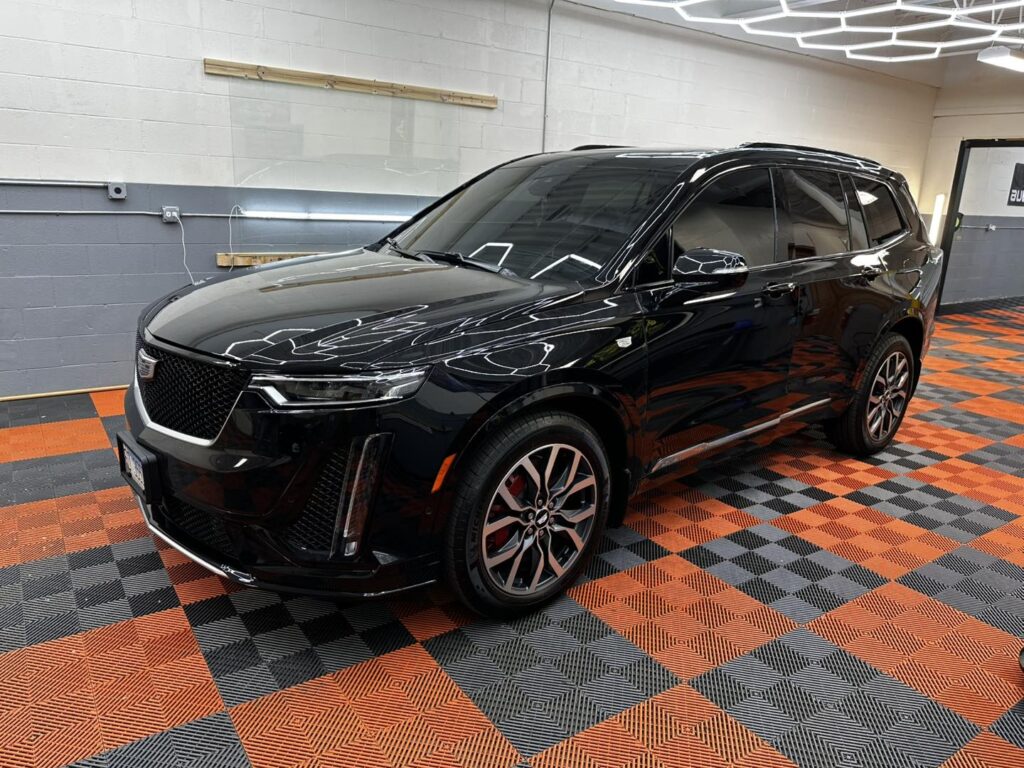
The company holds recognition as Regional Midwest Dealer of the Year by Autobahn, a distinction earned through consistent craftsmanship and technical expertise. MC Window Tinting serves drivers across Chicago’s southwest suburbs, including Palos Park, Oak Lawn, and Orland Park. Clients receive installations backed by lifetime warranty coverage against bubbling, peeling, and discoloration. The shop also provides expert SUV window tinting solutions tailored to larger vehicles that demand precise film application.
Top benefits of ceramic tint for Alsip drivers extend beyond comfort to long-term asset protection. The film acts as a critical barrier against UV radiation that damages interiors and harms skin during prolonged exposure. Dashboards, leather seats, and door panels resist the cracking and fading that plague unprotected vehicles. Choosing ceramic tint means preserving both resale value and daily driving comfort through every season.
FAQ
What makes ceramic tint different from regular dyed film?
Ceramic window tint uses ceramic-based nanoparticles that are invisible to the naked eye, while regular dyed films rely on color layers that fade, bubble, and peel over time.
Conclusion
For Alsip drivers weighing their options, ceramic window tint delivers the lasting performance that standard films cannot match, superior heat rejection, UV protection, glare reduction, and uninterrupted connectivity, all backed by a lifetime warranty against defects. Choosing ceramic means investing in comfort, safety, and long-term interior preservation without the bubbling, peeling, or discoloration that plagues budget alternatives. The decision comes down to whether a vehicle deserves protection that lasts or a temporary fix that fails.

