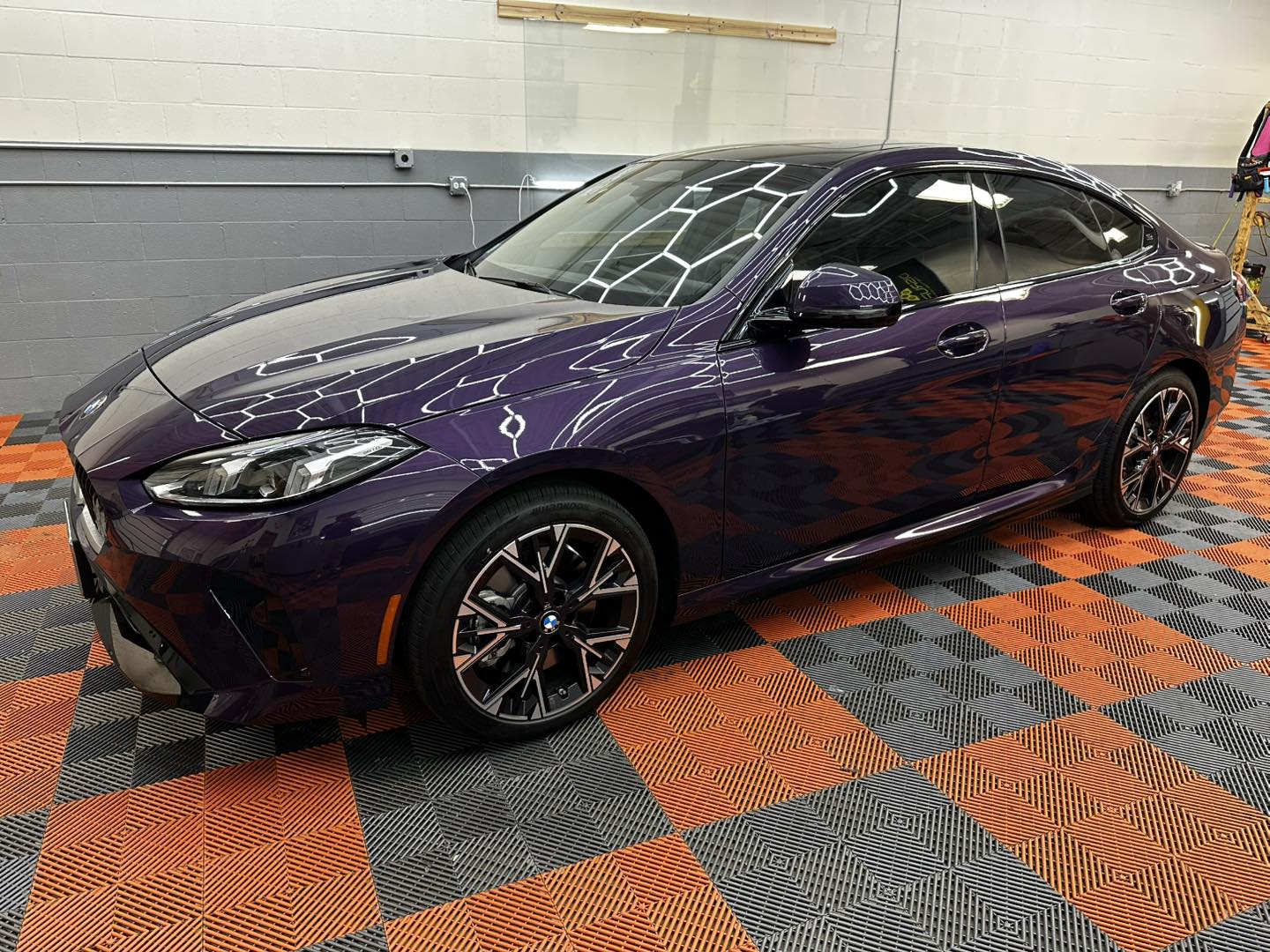
Window tinting applies a thin laminate film to glass, reducing glare, blocking UV rays, and lowering interior heat. Autobahn Performance Window Films deliver these benefits with low reflectivity and scratch-resistant coatings, backed by a limited lifetime warranty against bubbling, peeling, cracking, and discoloration for vehicles, homes, and Fleet & Commercial Vehicle Window Tinting.
Key Takeaways
- Window tinting blocks UVA rays that cause skin cancer while reducing interior heat and glare.
- Legal tint levels vary by state, so verify Illinois regulations before selecting your tint shade.
- MC Window Tinting LLC in Alsip, IL applies protective films in multiple materials and darkness levels.
- Quality window tint enhances privacy, improves vehicle security, and lowers cabin temperatures significantly.
What Is Window Tinting and How Does It Work?
A thin laminate film applied to glass, darkening it and altering how much light passes through, defines what is window tinting at its core. The film bonds to the interior surface of a window, changing the glass’s light transmittance without replacing the glass itself. That single layer changes how a vehicle, home, or storefront handles sunlight, heat, and visibility from outside.
Understanding window film basics starts with recognizing that not all film is built the same way. Manufacturers produce several base types, each engineered with a different structure and cost:
- Dyed film — layered with color for a darker look at a lower price point
- Metallic film — reflects heat using metallic particles, adding shine
- Carbon film — blocks heat without the metallic shine or signal interference
- Ceramic film — uses ceramic particles for high heat rejection and clarity
- Hybrid film — blends approaches to balance performance and cost
Each type carries distinct advantages, drawbacks, and price ranges, so material choice shapes both appearance and long-term durability.
Does the type of glass affect how tint performs?
Glass thickness and curvature influence how evenly film adheres and how it looks once cured. Flatter, thinner glass generally accepts film more predictably than compound curves found on some vehicle windows.
MC Window Tinting LLC, operating out of Alsip, Illinois, applies these fundamentals across automotive, residential, and commercial glass alike. The same principles of film composition and light transmittance guide every installation, regardless of the surface.
What Benefits Does Quality Window Tint Provide?
Four distinct advantages define quality window tint: reduced glare, lower cabin temperatures, UV protection, and added privacy. Legal darkness limits still vary by state, so drivers should confirm allowable levels before choosing a shade. These core benefits of tint explain why so many vehicle owners, homeowners, and property managers invest in film beyond looks alone.
Safety ranks among the least recognized advantages. Tinted tempered glass helps hold shattered fragments together instead of scattering them across a cabin or room, reducing injury risk during impact.
Long-term performance matters just as much as day-one results. Film backed by a limited lifetime warranty against discoloration, cracking, bubbling, and peeling helps ensure heat-rejection and clarity hold up for years rather than fading after one hot summer.
Does professional installation affect these benefits?
Yes. Warranty coverage on premium film requires installation by an authorized dealer, not a DIY approach. That standard keeps performance consistent and prevents the defects — bubbling, peeling, uneven haze — that undercut film’s protective value.
| Benefit | What It Addresses |
|---|---|
| Glare reduction | Sun exposure while driving or working near glass |
| Lower cabin/room temperature | Heat buildup from solar gain |
| UV protection | Skin exposure and interior fading |
| Added privacy | Visibility into vehicles, homes, and offices |
| Shatter resistance | Glass scattering on impact |
Why Does Warranty Coverage Matter for Tint?
Warranty coverage determines whether a film installation stays protected long after the work is finished. Without it, benefits of tint like UV protection and heat rejection can fade the moment the film discolors, bubbles, or peels. And the cost of replacement falls entirely on the owner. A lifetime warranty against discoloration, cracking, blistering, and delamination shifts that risk away from the customer.
Coverage terms differ depending on who owns the vehicle or property at the time of the claim.
What if the tint is accidentally damaged?
Original purchasers of the film installation hold a one-time “no-fault” option. This means accidental damage — a scratch, a tear, an unexpected mishap — can be addressed once without the owner absorbing the full replacement cost.
Does warranty coverage transfer to a new owner?
Yes. Subsequent owners, such as someone who buys a previously tinted vehicle or property, can use a transferable option for qualified replacement needs. Approval from an authorized dealer is required before the claim proceeds.
That authorization matters for a simple reason: coverage only applies when a certified installer performs the work. Professional installation is what activates the warranty in the first place. A factor every buyer should confirm before assuming protection exists.
FAQ
What is window tinting?
Window tinting applies a thin laminate film to glass, reducing glare, blocking UV rays, and lowering interior heat. The film bonds to the interior surface of the window, changing light transmittance without replacing the glass itself.
What types of window film are available?
Manufacturers produce dyed, metallic, carbon, ceramic, and hybrid films, each with a different structure and cost. Every type carries distinct advantages, drawbacks, and price ranges, shaping both appearance and long-term durability.
Does professional installation matter for window tinting?
Yes, warranty coverage on premium film requires installation by an authorized dealer rather than a DIY approach. MC Window Tinting LLC, based in Alsip, IL, applies these fundamentals across automotive, residential, and commercial glass.
Conclusion
In closing, window tinting delivers measurable protection, comfort, and aesthetic value for vehicles, homes, and commercial spaces alike. By blocking harmful UV rays, reducing heat and glare, and enhancing privacy, quality film installations address practical concerns while improving your property’s appearance and energy efficiency. Professional application ensures lasting results and peace of mind—a worthwhile investment that pays dividends through durability and performance for years to come.