Window tinting glossary terms define film performance and legal compliance. Visible Light Transmission (VLT) measures the percentage of light passing through the film, directly impacting darkness and legality. Total Solar Energy Rejected (TSER) indicates heat rejection capability. U-Value and Shading Coefficient quantify insulation and solar control. Autobahn Performance Window Films offer a limited lifetime warranty against bubbling, peeling, and discoloration.
Key Takeaways
- Visible Light Transmission (VLT) measures the percentage of visible light passing through window film, determining darkness and legality.
- Total Solar Energy Rejected (TSER) expresses the percentage of total solar energy a film blocks from passing through glass.
- A lower VLT percentage means a darker tint with less light entering the vehicle or building.
- Ceramic tint offers superior heat rejection and UV protection without interfering with electronic signals.
What is VLT and why does it matter?
VLT stands for Visible Light Transmission. VLT measures the percentage of visible light that passes through window film. A higher VLT percentage allows more natural light through the glass.
The Auto Window Tinting Glossary defines VLT as the metric that directly impacts visibility and privacy. This single number determines how dark a window appears from outside. It also controls how much glare reaches occupants inside.
How does VLT affect film selection?
VLT drives three practical decisions for any window film project:
- Privacy: Lower VLT films make it harder to see inside, which matters for vehicles and street-level commercial glass.
- Glare reduction: Films with reduced VLT cut harsh sunlight that strains eyes during daytime driving or office work.
- Legal compliance: Many jurisdictions set minimum VLT limits for front side windows and windshields.
MC Window Tinting tailors film darkness levels to local preferences and regulations for each client. A tint quick reference alsip approach helps clients compare VLT options before committing to a shade. The window film terms alsip glossary covers VLT alongside related metrics like total solar energy rejected.
What VLT range suits most drivers?
Most drivers choose a mid-range VLT that balances privacy with safe nighttime visibility. Extremely dark films reduce outward vision after sunset. Lighter films preserve clarity but offer less seclusion. The right choice depends on driving habits and local tint laws.
How is heat rejection measured in window film?
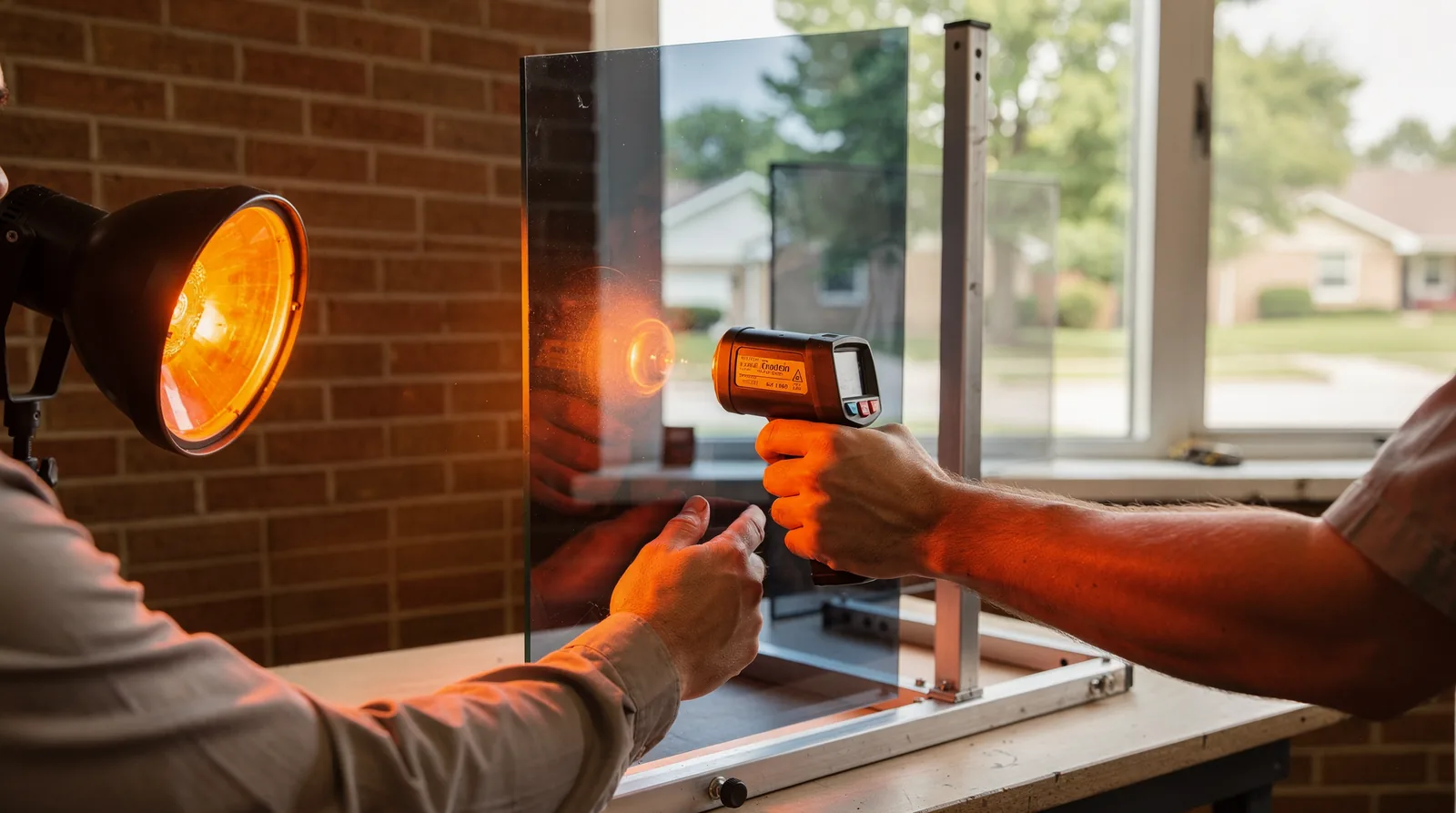
Heat rejection in window film is measured through the Total Solar Energy Rejected (TSER) rating. TSER expresses the percentage of total solar energy, including visible light, infrared, and ultraviolet, that a film blocks from passing through glass. A higher TSER value means less heat enters a vehicle or building interior.
The tinting glossary alsip clients consult most often treats TSER as the primary performance benchmark. Window Tint Film Glossary Quick Facts notes that TSER indicates total solar energy rejected, helping buyers choose film for heat protection and comfort. This single metric simplifies comparisons across dyed, carbon, and ceramic films.
What does TSER include?
TSER accounts for three energy components:
- Visible light that contributes to brightness and glare
- Infrared radiation responsible for most perceived heat
- Ultraviolet radiation linked to fading and skin damage
Autobahn performance films provide UV protection and scratch-resistant coatings. That UV protection matters because ultraviolet energy degrades interiors even when visible light stays bright.
Why does heat rejection matter for homes and businesses?
Residential and commercial window films address heat rejection, glare reduction, fade protection, and privacy needs. A film with strong TSER performance reduces cooling loads during summer months. It also protects furniture, flooring, and merchandise from solar damage.
The window film terms alsip professionals use distinguish TSER from visible light transmission. One measures energy blocked. The other measures light allowed through. Both matter, but TSER drives comfort decisions.
What is a good TSER rating?
A tint quick reference alsip shoppers rely on should prioritize TSER over darkness. Two films can look identical yet perform differently. The higher TSER film blocks more heat without necessarily appearing darker. This distinction prevents buyers from equating shade with performance.
What are the main types of window tint film?
Window tint films fall into several distinct categories, each built with different materials and performance characteristics. The primary types include dyed, metalized, carbon, and ceramic films. Ceramic tint offers superior heat rejection and UV protection without interfering with electronic signals, according to the Auto Window Tinting Glossary. This makes ceramic a top choice for modern vehicles packed with GPS, Bluetooth, and cellular antennas.
MC Window Tinting provides two types of ceramic tint alongside other specialty films. The company’s lineup also includes paint protection film, Luxe Light Wrap, and Ultra‑Vision Chameleon Film. These options give vehicle owners and property managers flexibility when balancing aesthetics, privacy, and interior protection.
How does dyed window tint compare to ceramic film?
Dyed film uses a layer of dye between an adhesive and a protective top coat. It provides a dark appearance and reduces glare at a lower price point. However, dyed films lack the heat rejection performance of ceramic alternatives and fade over time. Ceramic films, by contrast, block infrared heat without darkening glass excessively.
What makes Autobahn performance films different?
Autobahn performance films use deep-dye technology and are known for low reflectivity. The films also carry scratch-resistant coatings and lifetime warranties. This combination delivers long-term clarity without the mirrored look that some metalized films produce. For clients researching a tinting glossary alsip installers reference, Autobahn’s specifications provide a clear benchmark for comparing film quality.
Which film types work best for residential and commercial glass?
Carbon and ceramic films excel in residential and commercial settings. They reject solar heat effectively while maintaining a neutral appearance. A premium ceramic window tint blocks UV rays, protecting furnishings and flooring from fading. When evaluating window film terms alsip professionals use, total solar energy rejected (TSER) and visible light transmission (VLT) become the critical metrics. A tint quick reference alsip shops provide helps clients match film type to specific goals, whether prioritizing heat rejection, glare reduction, or privacy.
What do installation terms like curing time mean?
Curing time refers to the period required for window film adhesive to fully bond with glass. Moisture trapped during installation evaporates slowly through the film during this phase. A hazy or cloudy appearance often marks the early curing stage. That visual distortion fades as the adhesive sets completely.
Professional installation prevents common issues like bubbling, peeling, and film distortion. The Auto Window Tinting Glossary notes that expert application ensures longevity by avoiding these defects. MC Window Tinting’s installation standards are designed to prevent bubbling, peeling, or discoloration from the start. Rushing the curing process undermines that careful work.
How long does window tint take to cure?
Curing duration varies with film type, glass temperature, and humidity levels. Most automotive films require several days to several weeks for full adhesive bonding. Cold weather extends the timeline. Direct sunlight accelerates it.
What happens if window tint is disturbed during curing?
Rolling down windows too early can lift film edges or shift the adhesive layer. Washing tinted glass prematurely introduces moisture that disrupts bonding. Clients should follow proper aftercare steps to protect the installation. Disturbance during curing creates bubbles that professional reinstallation must correct.
Autobahn Performance Window Films carry a limited lifetime warranty against bubbling, peeling, cracking, and discoloration. That coverage gives Chicago-area clients a clear benchmark for comparing film quality and installation standards. A proper cure preserves both appearance and warranty protection.
How do state tint laws affect your film choice?
State tint laws set legal limits on window darkness, and those limits vary significantly by state. Legal tint percentages govern how dark front and rear windows can be. Choosing a film without checking local statutes risks fines, failed inspections, and mandatory removal.
MC Window Tinting tailors film types and darkness levels to local regulations for each client. A vehicle owner in Illinois faces different legal shade limits than a driver in Arizona or Michigan. The company matches each installation to the applicable state standard before any film touches the glass.
What happens if a tint exceeds the legal limit?
Law enforcement can issue citations for non-compliant window film. Some states require removal of the tint before a vehicle passes inspection. Replacing an illegal installation costs time and money that a compliant choice avoids from the start.
How does warranty coverage interact with legal compliance?
Autobahn’s warranty program supports no-hassle, no-fault, and transferable coverage when applicable. That protection applies to film performance, not to legal violations. Clients who verify shade limits before installation avoid losing both compliance and peace of mind.
Vehicle owners researching window film terms alsip should treat legal limits as a primary filter. A tint quick reference alsip helps clients compare allowable percentages across front, rear, and side windows. The tinting glossary alsip clarifies how VLT percentages translate to real-world darkness. Asking the right questions before booking tint prevents costly mistakes.
FAQ
What does VLT stand for and how does it affect tint darkness?
VLT stands for Visible Light Transmission. Heat rejection is measured through the Total Solar Energy Rejected (TSER) rating. TSER expresses the percentage of total solar energy a film blocks from passing through glass.
Conclusion
Understanding these window tinting terms helps vehicle owners and property managers make informed decisions about film selection, installation expectations, and legal compliance. Armed with knowledge of VLT, TSER, and curing time, clients can confidently discuss their needs with installers and choose a film that delivers lasting performance without legal complications.